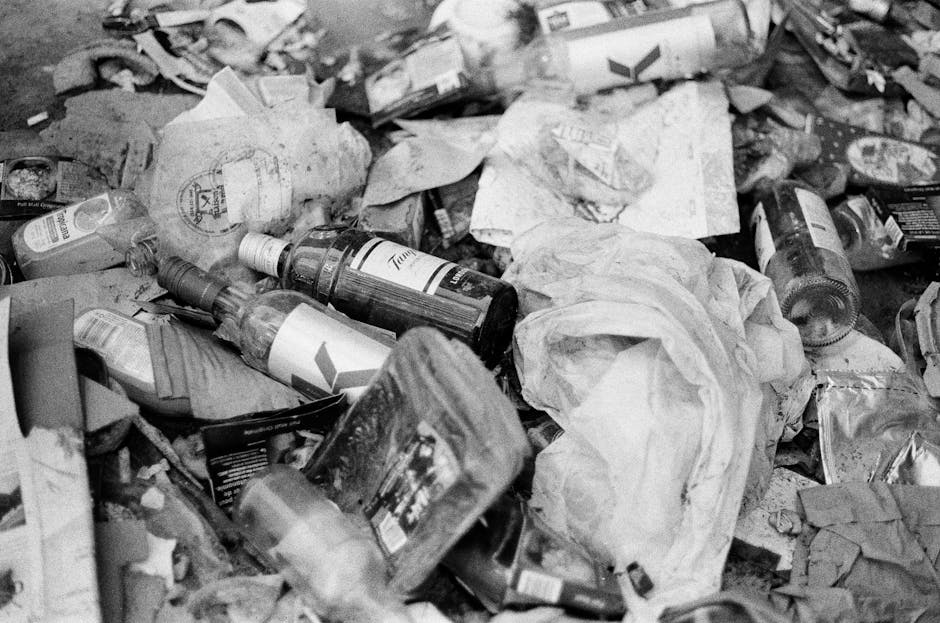
Rubbish collection guide for Ealing Common residents
If you live in Ealing Common, rubbish can pile up in a way that feels oddly personal: the broken chair by the hallway, the old mattress leaning in the spare room, the garden bags waiting by the side return, the box of random bits you meant to sort "next weekend". This rubbish collection guide for Ealing Common residents is here to make that mess feel manageable. Whether you need a one-off clear-out, a regular waste solution, or a quick way to get rid of bulky items, the goal is simple: help you choose the right route, avoid common mistakes, and keep things legal, tidy, and stress-free.
To be fair, rubbish removal is rarely complicated once you know your options. The trick is knowing what can go where, what needs special handling, and when a professional collection saves time, money, and a small mountain of faff. Below, you'll find a practical local guide written for everyday residents, renters, landlords, homeowners, and anyone trying to clear space without causing trouble for themselves or the pavement.
Table of Contents
- Why rubbish collection matters in Ealing Common
- How rubbish collection works
- Key benefits and practical advantages
- Who this is for and when it makes sense
- Step-by-step guidance
- Expert tips for better results
- Common mistakes to avoid
- Tools, resources and recommendations
- Law, compliance, standards, or best practice
- Options, methods, or comparison table
- Case study or real-world example
- Practical checklist
- Conclusion
- Frequently asked questions
Why Rubbish collection guide for Ealing Common residents Matters
Ealing Common has that classic West London mix: flats above shops, period homes, shared houses, small gardens, side access that is tighter than you'd like, and busy roads where waste left out too long can become a nuisance fast. That makes rubbish collection more than a "sort it later" job. It affects kerb appeal, neighbour relations, safety, and, frankly, your sanity.
When waste is handled badly, the problems tend to show up quickly. Bags split. Boxes blow open. Food waste attracts pests. Bulky items sit there for days. In shared buildings, one person's clutter becomes everyone's irritation. In rented places, it can even create issues at check-out. And if waste is fly-tipped or dumped without proper care, the mess can come back to bite you.
A good collection approach helps you stay in control. It gives you a plan for everyday waste, bulky rubbish, and awkward items that do not belong in normal bins. It also helps you make sensible choices between standard council-style disposal, private collection, and specialist removal for items that need extra attention. That last part matters more than people think.
Expert summary: the best rubbish collection plan is not usually the cheapest-looking one at first glance. It is the one that fits your item type, property access, urgency, and disposal duty without creating a second problem later.
How Rubbish collection guide for Ealing Common residents Works
In practice, rubbish collection usually follows one of three routes: general bin collection, bulky item disposal, or a private waste removal service. Each one suits a different job.
1. Everyday household waste
This is the standard flow for refuse, recycling, and food waste. It works best when residents separate waste properly and present it in the right container on the right day. The main point is simple: keep it clean, sorted, and predictable.
2. Bulky or awkward items
Think wardrobes, sofas, mattresses, broken appliances, old carpet rolls, or a garage full of mixed clutter. These are the items that often need booking in advance or collecting by a private team. If you have ever tried to wedge a dead printer into a normal bin, you'll know why this matters. Not everything should be treated like a bin bag.
3. Specialist or sensitive waste
Some waste needs more care because it may be hazardous, heavy, fragile, or sensitive. That includes certain chemicals, electrical items, and materials that should not be mixed with ordinary rubbish. In those cases, specialist handling is the safer route. If you're unsure, err on the side of caution. A quick guess is not a waste strategy.
Private collection services can be especially useful if you need fast turnaround, help lifting items, or a clean-up that covers more than one category of waste. A lot of residents use them after moving house, after a refurb, or when the loft has quietly become a museum of old boxes and half-finished plans. You know the sort of thing.
Key Benefits and Practical Advantages
The real value of good rubbish collection is not just "getting rid of stuff". It's what that removal does for the rest of your week.
- More usable space: clearing out a spare room, hallway, loft, or shed makes the home feel calmer immediately.
- Less stress: once waste is scheduled, it stops hanging over you.
- Cleaner surroundings: no rotting bags, no cluttered communal areas, less chance of pests.
- Better safety: fewer trip hazards, fewer sharp edges, fewer heavy things waiting to fall on someone's foot.
- More suitable disposal: certain items can be separated for reuse, recycling, or specialist handling.
- Time saved: especially if you do not have a vehicle large enough for repeated tip runs.
There's also a subtle but real benefit: a better sense of control. That sounds a bit lofty, maybe, but anyone who has done a big clear-out knows the feeling. Once the rubbish is gone, the room changes. It smells fresher. It sounds quieter. You stop stepping around the same annoying pile every day.
Who This Is For and When It Makes Sense
This guide is useful for a wide range of Ealing Common residents, not just homeowners with a big declutter planned.
Homeowners
If you are clearing a loft, garage, garden, or whole property, rubbish collection helps you move faster than trying to do everything in stages. It is especially handy when you're preparing for a sale, renovation, or renovation clean-up.
Renters and flat sharers
In flats, waste issues become visible quickly. Communal bins fill up, bulky items are hard to move, and access can be awkward. If you live in a smaller place, private collection can be the neatest way to deal with old furniture or mixed rubbish without causing a scene in the stairwell.
Landlords and letting agents
End-of-tenancy rubbish is a recurring headache. Sometimes it is just a few bags. Sometimes it is a whole sofa, mattress, broken blinds, and one mysterious saucepan. A fast collection keeps void periods under control and helps properties turn over cleanly.
Families and busy households
When life is full, clutter builds without anyone meaning it to. That's normal. A proper collection makes sense when the donation pile has stalled, the shed has become unopenable, or the school run has eaten every spare minute in the week.
Small businesses working from home
If your home office has become a storage spot for packaging, broken chairs, paper waste, or old electrical gear, you may need a more structured approach. For office-related waste, see the company's office clearance and confidential shredding services where relevant.
Sometimes the right answer is obvious. Other times it is a "let's just get it sorted in one go" moment. Either way, the key is matching the collection method to the mess in front of you.
Step-by-Step Guidance
If you want a smooth rubbish collection experience in Ealing Common, follow this sequence. It keeps the process practical and avoids the usual last-minute scramble.
- Sort the waste into clear groups. Separate general rubbish, recyclable items, bulky waste, electrical items, and anything possibly hazardous.
- Check what is actually worth keeping. This sounds obvious, but people often pay to remove items that could be reused, donated, or moved elsewhere.
- Measure or estimate the volume. A rough idea of how much space your waste takes up helps with planning. If it is a single sofa, fine. If it is a whole flat clear-out, say so upfront.
- Make access easy. Move items closer to the front door if safe to do so, clear hallways, and think about parking or loading space.
- Identify anything that needs specialist handling. Fridges, freezers, paint, chemicals, and sharp construction debris need particular care.
- Choose the right removal route. For general clutter or furniture, private collection can be efficient. For renovation waste, look at builders waste clearance. For larger property jobs, house clearance or home clearance may be more suitable.
- Get the booking details clear. Confirm timing, item list, access notes, and what happens if extra waste is discovered on arrival.
- Keep a record if needed. For landlords, businesses, and anyone disposing of sensitive material, keep notes or receipts for peace of mind.
A small but important point: if you are removing large furniture, appliances, or garden waste, decide in advance whether dismantling will help. A flat-pack wardrobe in pieces is far easier to move than a wrestling match through a narrow hallway.
Expert Tips for Better Results
In our experience, the difference between a smooth collection and a slightly messy one usually comes down to planning, not effort. A few smart habits make a big difference.
- Label piles before collection day. If an item is for recycling, donation, or disposal, mark it clearly.
- Keep wet waste separate. Garden bags, damp cardboard, and food waste can make everything else unpleasant to handle.
- Do not overfill bags. Overstuffed rubbish bags split at exactly the wrong time. It is almost a law of nature.
- Protect stairwells and door frames. Old furniture can scrape paintwork in seconds.
- Bundle similar items together. It speeds up loading and helps sorting later.
- Ask about recycling routes. A responsible provider should aim to separate recyclable materials wherever practical, and the company's recycling and sustainability page is a useful place to understand that approach.
If you're dealing with awkward items, look at the specialist service rather than forcing them into a general waste plan. For example, broken appliances may be better handled through fridge and appliance removal, while an old sofa or mattress may suit mattress and sofa disposal.
Also, check the weather if your waste is being placed outside briefly. A dry morning can turn into a windy, rainy shuffle very quickly. London loves that sort of surprise.
Common Mistakes to Avoid
People tend to make the same few mistakes with rubbish collection. They are understandable, but avoidable.
- Leaving it too late. Waste builds up, access becomes harder, and the job feels twice as big.
- Mixing everything together. Some materials need separate handling and some cannot go into the same load.
- Assuming all items are ordinary rubbish. A battery, paint tin, or fridge is not just "another thing to throw away".
- Blocking shared spaces. In flats, this can annoy neighbours and create fire or access issues.
- Underestimating volume. "A few bits" often turns into a van-full once you start moving things.
- Forgetting about safe lifting. Heavy items can cause injury fast. Two people and the right technique is usually better than one heroic attempt.
- Ignoring paperwork or records. This matters more for landlords and businesses, but it is still worth keeping an eye on.
One of the most common slip-ups? Thinking the job is nearly done when the room looks empty. Then you remember the broken blind, the box of cables, and the old lamp in the corner. The job is never just one pile, is it?
Tools, Resources and Recommendations
You do not need a lot of kit to manage rubbish well, but a few basics help.
- Heavy-duty bags: useful for mixed rubbish, but do not overload them.
- Gloves: especially for lofts, garages, and garden clearances where dust and rough edges are common.
- Dust sheets or cardboard: good for protecting floors and stair corners.
- Marker pens or labels: surprisingly helpful for sorting and staging.
- Tape measure: ideal when estimating furniture or appliance size before collection.
- Storage tubs or crates: useful for separating reusable items from disposal waste.
For related jobs, the following pages are often worth a look: furniture clearance for mixed household furniture, furniture disposal for single-item removals, garden clearance for cuttings and outdoor waste, and garage clearance if the garage has turned into a long-term storage zone.
If you are collecting prices or comparing options, the pricing and quotes page can help you understand what to ask before you commit. No one enjoys surprise costs, and rightly so.
Law, Compliance, Standards, or Best Practice
Rubbish collection is practical, but there is a compliance side too. In the UK, residents and businesses have a duty to make sure waste is handled responsibly. That usually means using a legitimate collector, keeping waste out of inappropriate channels, and making sure hazardous or specialist items are treated properly.
Best practice is simple enough in plain English:
- Do not dump waste illegally.
- Do not leave items in communal areas if they create a hazard.
- Keep hazardous materials separate.
- Use a collector that understands safe handling and disposal.
- Keep records where sensible, especially for business or tenancy-related clearances.
This is where a responsible provider matters. A trustworthy company should have clear policies around safety, insurance, handling practices, payment, and disposal standards. If you want extra reassurance, pages such as insurance and safety, health and safety policy, payment and security, and terms and conditions are useful markers of a company that takes its work seriously.
For anything that could pose a risk, such as chemicals, sharp debris, or contaminated items, use the specialist route. The hazardous waste disposal page is relevant when the contents are not ordinary household waste. Better cautious than careless. That's not drama, just common sense.
Options, Methods, or Comparison Table
Choosing the right rubbish collection method depends on how much waste you have, what it is, and how quickly you need it gone. Here is a straightforward comparison.
| Method | Best for | Pros | Watch out for |
|---|---|---|---|
| Standard household collections | Routine rubbish and recycling | Simple, familiar, low effort | Limited capacity, strict rules on item type |
| Bulky waste collection | Sofas, mattresses, large furniture, awkward items | Good for single large pieces or small loads | Booking and access may matter, not all items accepted |
| Private rubbish collection | Mixed waste, urgent clear-outs, heavy or awkward loads | Fast, flexible, can include lifting and loading | Costs vary depending on volume and item type |
| Skip-style disposal | Renovation waste, larger projects, ongoing clear-outs | Useful when you generate waste over several days | Needs space and careful filling; see what can go in a skip |
If your waste is mostly furniture, a focused removal service can be more efficient than treating it as generic rubbish. If it is household clutter across several rooms, house clearance or flat clearance may be the better fit. For renovation debris, builders waste clearance is usually the right conversation to have.
Case Study or Real-World Example
A typical Ealing Common scenario looks like this: a couple in a two-bedroom flat decides to clear out the spare room before a new baby arrives. At first it seems simple. There's an old desk, a broken chest of drawers, three bags of clothes, some cardboard, and a mattress they have been "meaning to deal with" for months.
Then reality shows up. The lift is small. The hallway is narrow. The mattress will not fit around the stair bend without some manoeuvring. A few bits could be donated, but the rest needs proper disposal. Instead of dragging everything out over two weekends, they sort items into keep, donate, recycle, and remove. The mattress goes with a specialist route, the desk is dismantled, and the remaining mixed waste is collected in one visit.
The result is not just a clear room. It is a calmer week. One less thing to think about. That matters more than people admit.
A similar situation happens after small refurbishments too. A new kitchen leaves packaging, offcuts, and old fittings. A garage clearance often reveals old paint tins, tools, and half-forgotten appliances. The pattern is the same: a little planning saves a lot of lifting.
Practical Checklist
Use this quick checklist before your rubbish collection day.
- Have I sorted rubbish into general, recyclable, bulky, and specialist items?
- Are any items likely to need separate handling?
- Have I measured the biggest pieces?
- Is access clear for lifting and loading?
- Have I removed anything I still want to keep or donate?
- Are fragile, sharp, or wet items packed safely?
- Do I know where the waste is being placed for collection?
- Have I checked whether furniture needs dismantling?
- Do I need proof of disposal or a record for tenancy/business purposes?
- Have I asked about pricing, timing, and what happens if the load changes?
Quick reality check: if you can answer those questions confidently, the collection is usually much smoother. If not, spend ten more minutes sorting. It is nearly always worth it.
Conclusion
Rubbish collection in Ealing Common is easiest when you treat it as a small project rather than a chaotic chore. Sort the waste, choose the right removal method, make access simple, and separate anything that needs specialist handling. That's the core of it.
The best results come from being a bit practical and a bit honest about the scale of the job. A single sofa is one thing. A full flat clear-out after years of accumulated stuff is another. The good news is that both are manageable with the right plan.
If you are clearing a home, a flat, a loft, a garage, or a garden, it helps to use a provider that understands local access, safe lifting, and proper disposal. And if you want to explore the wider service options, you can also look at waste removal, home clearance, and related specialist pages to match the job properly.
Get a free quote today and see how much you can save.
Clear space has a quiet kind of power. Once the rubbish is gone, the room feels lighter, and so do you.
Frequently Asked Questions
What is the best rubbish collection option for Ealing Common residents?
The best option depends on what you need removed. Everyday household waste suits regular collections, bulky items may need a dedicated service, and mixed loads or urgent clear-outs are often easier with private rubbish removal.
Can I put old furniture out with normal rubbish?
Usually no. Sofas, wardrobes, mattresses, and other bulky furniture often need special collection or a service designed for larger items. It is better to check first than leave something that cannot be taken.
What should I do with broken appliances?
Broken appliances should be handled separately from normal household rubbish. Fridges, freezers, and other electrical items often need dedicated collection, which is why appliance-specific removal is worth considering.
Is rubbish collection suitable for flat residents in Ealing Common?
Yes, especially for flats with limited storage or awkward stair access. Flat residents often use rubbish collection for furniture, clutter, and end-of-tenancy clear-outs where communal bins are not enough.
How do I know if something is hazardous waste?
If the item contains chemicals, sharp contaminants, unusual residues, or anything that might be unsafe to mix with normal rubbish, treat it as potentially hazardous. When in doubt, separate it and ask for specialist guidance.
Can rubbish collection include garden waste?
Yes, but garden waste is best kept separate from household rubbish where possible. Cuttings, soil, branches, and old outdoor items are often easier to remove through a garden clearance-style service.
How much preparation do I need before a collection?
Usually not a huge amount, but some preparation helps a lot. Sort waste, clear access, separate hazardous items, and make bulky pieces easier to lift if you can do so safely.
Do I need to dismantle furniture before collection?
Not always, but dismantling can make collection quicker and safer. Large wardrobes, bed frames, and desks often move more easily in sections, especially in flats or narrow hallways.
What is the difference between rubbish removal and house clearance?
Rubbish removal usually refers to mixed waste or specific items, while house clearance covers a broader property-wide job. If you are clearing several rooms or an entire home, house clearance is often the better fit.
Is it worth using a private rubbish collection service?
If you value speed, convenience, or help with heavy lifting, yes. It can be especially useful when you have more waste than bin collections can handle or when access is awkward. Sometimes the peace of mind is the real win.
Can I get a quote before booking?
Yes, and you should. A clear quote helps you understand what is included and whether the service suits your waste type and volume. The pricing page is a useful place to start if you are comparing options.
What if my rubbish load changes on the day?
That happens more often than people think. It is best to mention any uncertainty upfront so the provider can plan properly and avoid surprises.
Whether you're tackling a small declutter or a full property clear-out, the key is the same: keep it simple, keep it safe, and do the job properly. That way, the rubbish goes, and your space finally breathes again.