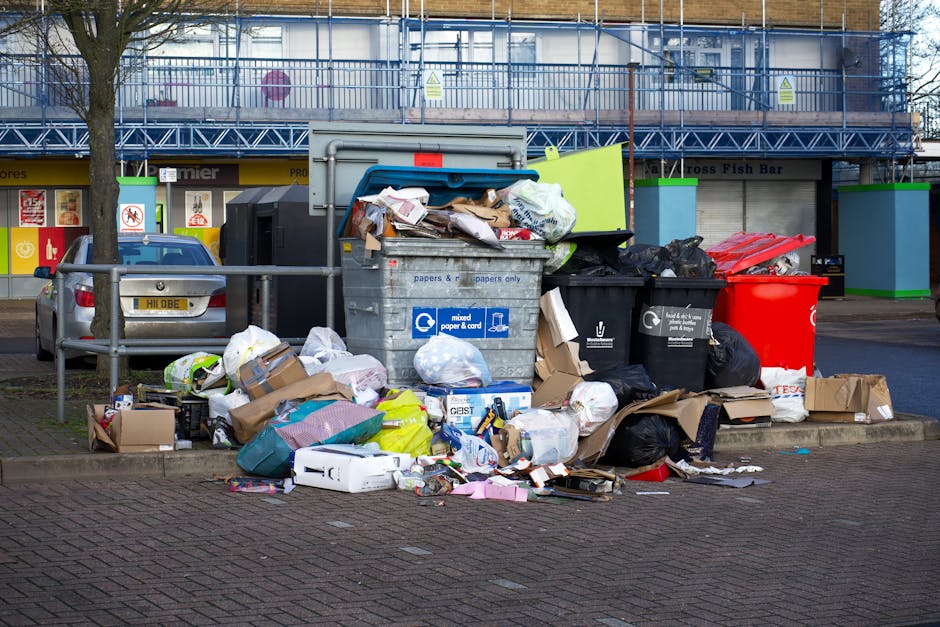
W13 rubbish clearance tips for West Ealing streets

If you are trying to deal with bulky rubbish, awkward bags, or a post-clearout mess in W13, you already know the problem is not just "getting rid of stuff". It is doing it neatly, legally, and without turning a West Ealing pavement into an obstacle course. These W13 rubbish clearance tips for West Ealing streets are written for real-life situations: moving flat, clearing a loft, finishing a renovation, emptying a garage, or simply getting back on top of the clutter after a busy few months.
West Ealing streets can be busy, tight for parking, and less forgiving than a wide suburban driveway. That means timing, sorting, lifting, and loading all matter. A good plan saves hassle, reduces the chance of mistakes, and can make the whole job feel surprisingly manageable. Let's make it simpler.
- Why W13 rubbish clearance tips for West Ealing streets Matters
- How W13 rubbish clearance tips for West Ealing streets Works
- Key Benefits and Practical Advantages
- Who This Is For and When It Makes Sense
- Step-by-Step Guidance
- Expert Tips for Better Results
- Common Mistakes to Avoid
- Tools, Resources and Recommendations
- Law, Compliance, Standards, or Best Practice
- Options, Methods, or Comparison Table
- Case Study or Real-World Example
- Practical Checklist
- Conclusion
- Frequently Asked Questions
Why W13 rubbish clearance tips for West Ealing streets Matters
Rubbish clearance sounds straightforward until you are standing in a hallway with a broken wardrobe, a couple of bin bags, an old mattress, and nowhere sensible to put a van. On West Ealing streets, the challenge is often not the waste itself but the practical details around access, neighbours, traffic, and safe handling.
In W13, many homes and flats are close to the road, which is helpful, but that does not mean clearance is effortless. Cars need space, pedestrians still need a clear route, and stacked rubbish on the pavement can become both a nuisance and a hazard. If you are clearing waste from a front garden, shared entrance, or top-floor flat, a bit of planning goes a long way.
There is also the environmental side. Some waste can be reused, some can be recycled, and some needs specialist handling. A thoughtful clearance approach helps you avoid simply moving the problem elsewhere. To be fair, that is the bit many people overlook when they are in a rush.
For larger jobs, it can also help to understand the difference between general rubbish clearance and more specific services such as house clearance, flat clearance, or office clearance. Matching the method to the mess makes everything smoother.
How W13 rubbish clearance tips for West Ealing streets Works
A smart rubbish clearance process usually follows the same basic rhythm: sort, separate, move safely, and dispose of the right items in the right way. The exact setup depends on whether you are clearing a single bulky item, a room full of mixed waste, or a property that has been accumulating clutter for years.
For West Ealing streets, there are a few local realities to keep in mind. Many clearances need careful timing so you are not blocking access during the morning rush or when residents are arriving home. Some streets have limited stopping space, and shared buildings may need a quick message to neighbours or building managers before any large collection begins.
The best route usually starts with a short assessment:
- What exactly needs removing?
- Is any of it recyclable, reusable, or hazardous?
- How heavy or awkward are the items?
- Can waste be carried out easily, or is access tight?
- Would a specialist service be more suitable than a general clearance?
If you have mixed waste from decorating or light renovation, a service like builders waste clearance is often more appropriate than a general tidy-up. If the job includes old sofas, broken wardrobes, or tired bedroom furniture, look at mattress and sofa disposal or furniture disposal instead of trying to force everything into one generic plan.
Key Benefits and Practical Advantages
The payoff from good rubbish clearance is bigger than just a cleaner floor. You notice the difference in how a space feels, how easy it is to move around, and how quickly the job stops hanging over your head. That last one matters more than people admit.
Here are the main benefits:
- Less disruption - a planned clearance avoids random piles sitting outside for days.
- Safer movement - fewer trip hazards inside stairwells, halls, and front paths.
- Better sorting - recyclable or reusable items are easier to separate before removal.
- Cleaner street presentation - especially useful if you are in a shared or visible West Ealing location.
- Less stress - you know what is leaving, when it is leaving, and who is handling it.
- More space back sooner - which, honestly, can feel like an instant reset.
There is also a money-saving angle. If you sort items properly and avoid unnecessary mixed loads, you reduce the chance of paying for avoidable handling. You may also find that a smaller or more targeted collection is enough. That is where checking pricing and quotes before you book can help you make a more informed choice.
Expert summary: good rubbish clearance in W13 is less about speed alone and more about sequence. If you sort before you lift, lift before you block, and separate special items before collection day, the whole process becomes calmer and cleaner.
Who This Is For and When It Makes Sense
This topic is for anyone in West Ealing who needs waste removed without turning the street, hallway, or shared entrance into a mess. It is especially relevant if you are short on time, do not have a car, or simply want the job handled in one go rather than spread over three weekends and a lot of groaning.
It makes sense for:
- homeowners clearing lofts, garages, gardens, or whole properties
- tenants moving out of flats and dealing with leftover items
- landlords preparing for a new occupancy
- small businesses clearing offices, stock rooms, or archive material
- builders and decorators with rubble, packaging, and broken fittings
- families tackling a long-overdue declutter
Sometimes the need is obvious, like after a renovation. Other times it sneaks up on you. A spare room becomes a storage room, then a "we'll sort that later" room, and suddenly there is no later. West Ealing streets see plenty of that kind of buildup.
If the job is broader than a single load, services such as home clearance, loft clearance, or garage clearance may fit better than a quick general collection. The right match saves a lot of fuss.
Step-by-Step Guidance
Here is a practical process you can follow without overcomplicating it. Keep it simple. That is usually where people go wrong, trying to design a masterpiece when they just need the rubbish gone.
- Walk the space first. Look at what needs removing, where it sits, and how it will travel out of the property.
- Separate the waste into types. Put furniture, general waste, garden debris, electricals, and anything risky into different groups.
- Set aside reuse or donation-worthy items. If something is still usable, do not let it get mixed in by accident.
- Check for restricted items. Paint, chemicals, refrigerants, and other special waste may need separate handling.
- Measure bulky pieces. Know whether they will fit through the stairwell, doorway, or lift before collection day.
- Clear access routes. Hallways, steps, entrances, and gates should be free of clutter.
- Book the right service. Choose a service aligned with the waste type, such as waste removal for mixed loads or garden clearance for outdoor waste.
- Prepare the collection point. If items are coming from outside, keep them tidy and secure; if from inside, protect floors and walls.
- Do a final sweep. Check cupboards, under sinks, behind doors, and in sheds before the team arrives.
- Confirm what is left behind. You do not want to discover the one awkward item after everyone has left.
A quick example: a West Ealing flat clear-out might start with books and clothes from the bedroom, then move to an old sofa, then finish with broken kitchen bits. If you handle the sofa separately and keep sharp mixed waste boxed away, the collection is far less chaotic. Small move, big result.
Expert Tips for Better Results
These are the little things that make rubbish clearance feel smoother, especially in busier W13 streets where access can be a bit tight.
- Keep heavy items near the exit. That sounds obvious, but people often pile the heaviest things furthest away. Backwards logic, really.
- Use strong bags and consistent box sizes. They stack better, carry better, and reduce spillage.
- Separate broken glass, metal, and sharp edges early. It makes handling safer for everyone.
- Do not mix electrical items with general waste. Appliances and electronics often need special attention.
- Think about the street first. In West Ealing, a neat, short loading window is much kinder to neighbours and passers-by than a long, messy one.
- Take photos before and after. Handy for records, landlord checks, or just your own sanity.
If your clearance includes an old fridge, freezer, or similar appliance, use a service designed for the job, such as fridge and appliance removal. White goods are awkward, heavy, and not worth improvising with.
And if you are dealing with paperwork, old files, or sensitive material from a home office, confidential shredding is a more sensible route than tossing documents into a mixed load. Peace of mind, sorted.
Common Mistakes to Avoid
Most clearance problems are avoidable. The trouble is, they usually happen when people are in a hurry or assume "it'll be fine". It might be fine. Or it might turn into a blocked doorway and three half-filled piles outside. Not ideal.
- Leaving sorting until collection day. This slows everything down and increases the chance of errors.
- Mixing hazardous and general waste. That can create safety and compliance problems.
- Underestimating access issues. Narrow stairs, basement steps, or shared entries need planning.
- Ignoring bulky item dimensions. A sofa that looks manageable in the room can become a nightmare on the landing.
- Forgetting about neighbours or timing. In a busy street, goodwill matters.
- Assuming all waste is the same. It is not. Wood, green waste, metal, electricals, and rubble often need different handling.
If your job includes renovation debris, packaging, broken tiles, or plasterboard, take a look at builders waste clearance rather than trying to treat it like ordinary household clutter. The better the match, the fewer surprises.
Tools, Resources and Recommendations
You do not need a van full of specialist gear to manage a decent clearance, but a few basic tools make life easier. Keep it practical, not theatrical.
- Heavy-duty sacks or rubble bags for mixed waste and smaller items
- Sturdy gloves for lifting, sorting, and carrying
- Marker pens and labels to mark keep, donate, recycle, or remove
- Tape and boxes for loose parts, cords, and fragile bits
- Protective floor coverings if waste is coming through a finished hallway
- A tape measure for sofas, wardrobes, appliances, and awkward clearances
For certain situations, the most useful resource is not a tool but the right service type. For example:
- furniture clearance for unwanted household furniture
- mattress and sofa disposal for larger soft furnishings
- garage clearance for stored odds and ends
- office clearance for desks, chairs, files, and equipment
- business waste removal for recurring commercial needs
If sustainability matters to you, it should, then reviewing recycling and sustainability can help you make better decisions about what should be separated and what may be suitable for recovery or reuse.
Law, Compliance, Standards, or Best Practice
Waste handling in the UK is one of those areas where best practice really matters. You do not need to become a legal expert, but you do need to avoid careless disposal and make sensible checks before anything leaves the property.
As a general rule, use only properly authorised waste handling routes and make sure the people removing the waste are set up to deal with it correctly. That is especially important for items that may be classed as hazardous, such as some chemicals, contaminated materials, or certain electrical components. If in doubt, keep those items separate and ask before they are collected.
For hazardous or potentially risky materials, a dedicated route such as hazardous waste disposal is the safer choice. And if a provider mentions how they work around safety, insurance, and collection procedures, that is a good sign. You may also find it reassuring to review insurance and safety and health and safety policy before you book.
Best practice for West Ealing streets also includes keeping pavements clear, avoiding unnecessary obstruction, and planning collections so neighbours are not inconvenienced. That is not just polite. It is sensible. The street notices when a job is done well.
Options, Methods, or Comparison Table
There are a few ways to clear rubbish from a W13 property. The best one depends on volume, access, waste type, and how quickly you need the space back.
| Method | Best for | Pros | Watch-outs |
|---|---|---|---|
| Self-clearance | Small loads, occasional items | Flexible, can be cheaper if you already have transport | Time-consuming, lifting risk, multiple trips |
| General waste removal | Mixed household or business rubbish | Convenient and usually quicker than DIY | Needs good sorting for special items |
| Specialist clearance | Furniture, appliances, builders waste, garden waste | Better handling for specific waste types | Must choose the right service for the job |
| Skip-based approach | Larger jobs with ongoing waste over time | Useful for projects, straightforward loading | Space needs, permit considerations, and skip filling rules |
If you are unsure what will actually fit into a skip, the guide on what can go in a skip is a sensible place to start. It is one of those things people assume they understand until they are staring at an old appliance and a pile of rubble.
Case Study or Real-World Example
Imagine a typical West Ealing weekend clearance. A family has finished decorating a two-bedroom flat near a busy road. There is an old sofa, a broken chest of drawers, a few bags of packaging, some leftover wood offcuts, and a couple of dusty boxes from the loft that have been sitting there for years. Nothing dramatic. Just enough to feel annoying.
They start by sorting the obvious categories: furniture, builders' leftovers, paper waste, and things to keep. The sofa goes into one pile, the wood and packaging into another, and the boxes are checked before anything gets thrown away. That quick scan finds a few reusable items and one bag of old cables that should not be mixed into general rubbish. Not glamorous, but useful.
On collection day, access is cleared in advance, the staircase is protected, and the items are placed close to the exit rather than spread across rooms. The job ends in a single visit, the hallway is tidy again, and the street looks normal by lunchtime. No drama. No guessing. Just a clean finish and a bit of relief.
That is the kind of result most people want, really. Efficient, calm, and not too noisy.
Practical Checklist
Use this quick checklist before any rubbish clearance in West Ealing streets:
- Identify all items to be removed
- Separate reusable items, recyclables, and general waste
- Put hazardous or specialist items aside
- Measure large furniture and appliances
- Check access routes, stairs, doors, and parking space
- Tell neighbours or building management if needed
- Protect floors and walls where items will pass through
- Confirm the right service type for the waste
- Review price, timing, and what is included
- Do a final walk-through before and after collection
If you are dealing with a bigger property clear-out, it may be worth looking at house clearance or flat clearance rather than forcing the job into a smaller solution. Matching scale to service is half the battle.
Get a free quote today and see how much you can save.
Conclusion
The best W13 rubbish clearance tips for West Ealing streets come down to a simple idea: plan the job so the waste leaves cleanly, safely, and with as little disruption as possible. Sort first, choose the right removal route, respect access on the street, and separate anything that needs specialist handling.
Once you do that, the task becomes much less daunting. A cluttered flat, garage, office, or front yard can go from stressful to sorted in a surprisingly short space of time. And that fresh, empty-space feeling? It never really gets old.
If you want a more structured approach, start with the most relevant service pages, compare options carefully, and book only when you are clear on what needs to go. Simple, steady, done properly. That is usually the best way.
Frequently Asked Questions
What is the best way to start rubbish clearance in W13?
Start by sorting everything into clear groups: keep, recycle, general waste, bulky items, and anything potentially hazardous. That first pass saves time and reduces mistakes later.
Do I need a special service for furniture in West Ealing streets?
Often, yes. Sofas, wardrobes, beds, and mattresses are easier to handle through a focused service such as furniture clearance or mattress and sofa disposal rather than mixing them with all other waste.
Can I put builders' debris in with household rubbish?
It is better not to. Brick dust, rubble, plaster, and renovation offcuts are usually best handled through builders waste clearance so the load is managed more appropriately.
How do I know if an item is hazardous?
If it contains chemicals, oils, certain batteries, or contaminated materials, treat it cautiously. When you are unsure, keep it separate and use a specialist route rather than guessing.
What if I live in a flat with limited access?
Flat clearances need more planning. Measure stairwells, check lift access, and make sure bulky items can be moved out safely without damaging the building or blocking shared areas.
Is it worth booking a general waste removal service for mixed rubbish?
Yes, if your load contains a bit of everything and you want one organised collection. General waste removal can be a good fit for mixed household or business items that do not need specialist handling.
How can I make street-side collection easier?
Keep the items grouped neatly, do not block the pavement, and time the collection so it causes as little disruption as possible. A tidy loading point makes a big difference on a busy street.
What should I do with old appliances?
Fridges, freezers, washing machines, and similar appliances should be separated and handled through appliance removal. They are heavy, awkward, and sometimes require special treatment.
Can I clear a garage or loft in one go?
Absolutely. In fact, garage clearance and loft clearance are often easier when tackled as a single, sorted project. Just make sure you check for hidden items you may want to keep first.
What is the biggest mistake people make with rubbish clearance?
The most common mistake is waiting too long to sort the waste properly. Once everything becomes one mixed pile, the job gets slower, riskier, and usually more frustrating.
How do I choose between skip hire and collection?
Think about space, access, and how fast you need the area clear. If you have ongoing waste from a project, a skip may be useful. If you want quick removal without leaving anything outside for long, a collection-based approach is often better.
Where can I check if a clearance provider is suitable?
Look at practical pages that explain how the company works, such as about us, insurance and safety, health and safety policy, payment and security, and recycling and sustainability. Those details help you judge whether the service matches your expectations.
If you are ready to turn a messy corner of W13 into usable space again, begin with a clear plan and the right service fit. A little preparation now makes the rest feel far lighter.